



19 Sep AHA vs BHA: What’s the Difference and Which One is Right For You?
Your Guide to Understanding Skincare Acids
Skincare can sometimes feel like you need a science degree, but understanding AHA vs BHA doesn’t need to be complicated. These exfoliants may help refine skin texture, promote clarity, and support healthy-looking skin when used appropriately.
At Zecca, we offer evidence-informed skincare advice tailored to your unique skin goals, including guidance around active ingredients and products we may use in clinic, such as formulations from trusted brands like Toskani.
What Are AHAs and BHAs?
AHAs (Alpha Hydroxy Acids) and BHAs (Beta Hydroxy Acids) are both considered chemical exfoliants, meaning they work by gently dissolving the bonds that hold dead skin cells on the surface. Unlike gritty scrubs, they offer a more refined approach to exfoliation that’s often better suited to sensitive or blemish-prone skin.
- AHAs are water-soluble acids that work on the skin’s surface to help improve tone and texture.
- BHAs are oil-soluble, which means they can work deeper within pores, making them ideal for congestion and oily skin.
When to Use AHA – Best for Dry, Dull or Sun-Exposed Skin
AHAs such as lactic acid, glycolic acid, and mandelic acid are known to:
- Smooth rough, or flaky skin
- Visibly brighten dull complexions
- Support even skin tone over time.
They’re particularly suited for those experiencing dryness, uneven skin texture or sun exposure effects.
Zecca Tip: Professional formulas like those from Toskani’s AHA lines may be used in the clinic as part of personalised treatment plans, tailored to your skin’s needs.
When to Use BHA – Best for Oily, Congested or Acne-Prone Skin
The most well-known BHA is salicylic acid. It works by:
- Gently unclogging pores
- Reducing surface oil
- Supporting clearer-looking skin over time
Ideal for skin prone to breakouts, blackheads or congestion, BHA may offer a more targeted exfoliation.
Note: At Zecca, we consider your skin type, concerns, and tolerance before introducing any active ingredients into your treatment plan.
Can You Use Both AHA and BHA?
Yes, but they should be introduced carefully.
- Some skincare routines rotate AHAs and BHAs on alternate days.
- Others use one in the morning and one at night (based on tolerance).
- Combination products should be used with caution and always with expert advice.
Important: Overuse of actives can lead to irritation. We always recommend patch-testing and starting slowly, ideally with the guidance of a qualified skin therapist.
Tips for Safe Use
- Start with 2–3 uses per week and build up gradually.
- Always apply SPF daily – AHAs and BHAs can increase sun sensitivity.
- Don’t mix with other strong actives unless advised by a professional.
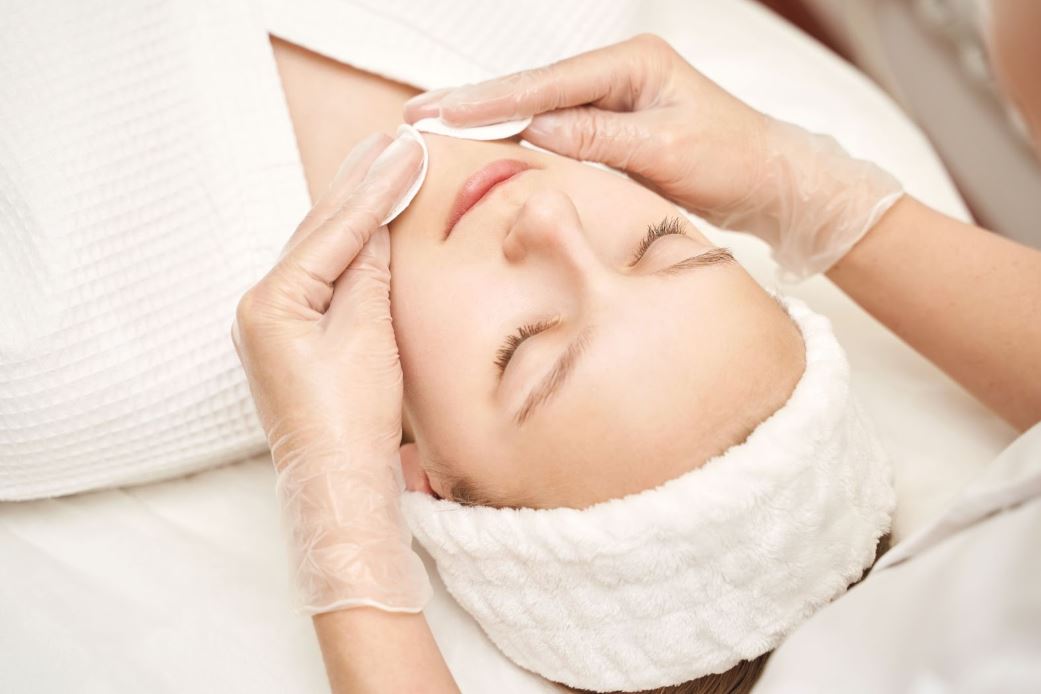
Looking for professional support? Our facial treatments incorporate clinic‑grade products and are guided by your skin’s specific needs.
Why We Use Toskani at Zecca
Toskani is a global brand with over 70 years of skincare innovation. Their formulations, including peels, masks, serums and home care, are developed with dermatological science in mind.
When used in clinic settings, their AHA and BHA products are selected with care and supported by professional guidance. We may incorporate these into select facial treatments, always based on your unique skin profile.
For more on the brands and products we work with, feel free to book a consultation or speak with our team.
Final Thoughts
Choosing between AHA and BHA comes down to your skin type and goals:
- Dry, dull, or textured skin? AHA may be your go-to.
- Oily, acne-prone or congested skin? BHA might work better.
- Want both? That’s possible, but it needs a balanced routine.
At Zecca, we take the guesswork out of skincare. If you’re unsure which approach is right for you, our team can guide you through the process with a personalised plan.